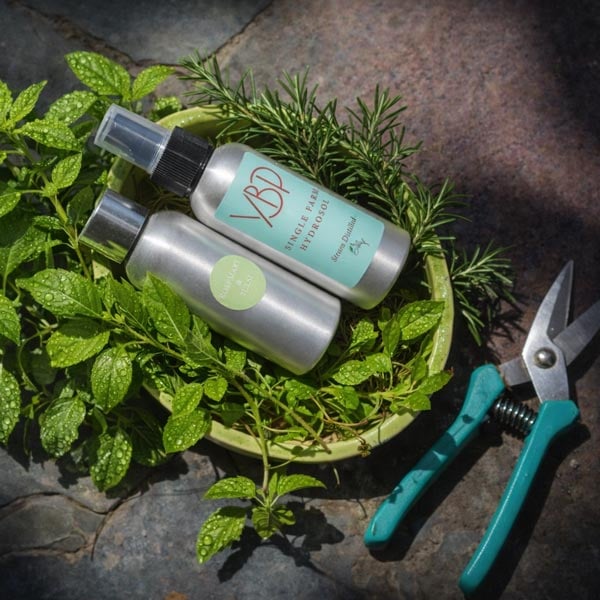
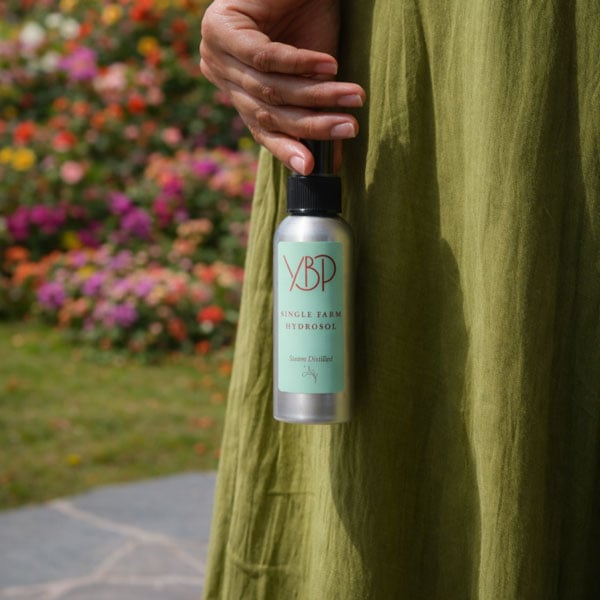
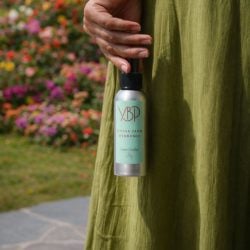
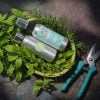
Hydrosols are the aromatic waters created during the steam distillation of fresh plants. They carry the water-soluble components of the plant along with micro traces of essential oils, which makes them gentle but still very active.
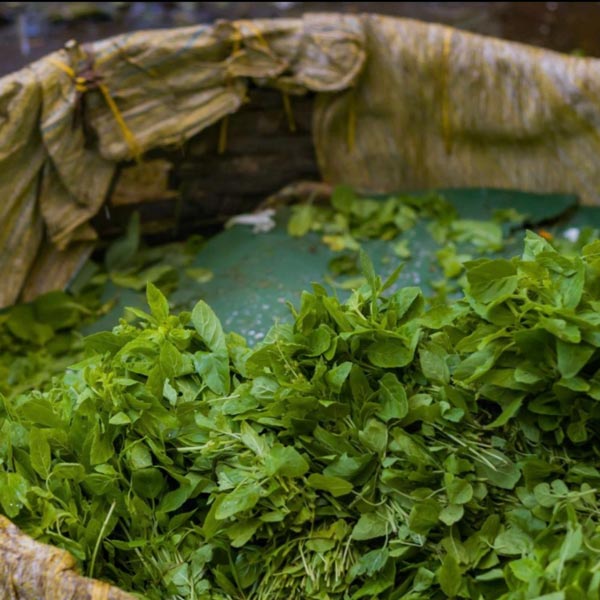
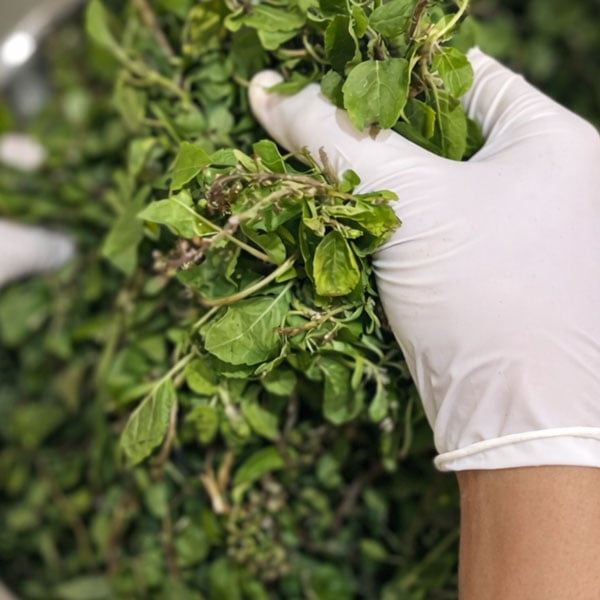
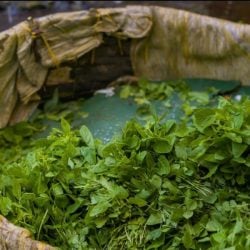
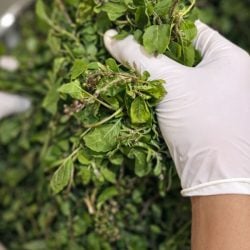
At YBP, we distill our hydrosols using fresh, single-origin botanicals. Nothing dried, nothing added. We work closely with the farms and the land where these plants are grown, supporting small growers across India and beyond.
Because there are no added actives, hydrosols can be used freely throughout the day without overwhelming the skin. They simply support it.
They cleanse, refresh, and bring the skin back to balance.
This is a revitalizing hydrosol for skin and scalp that feels dull, tired, or lacking movement.
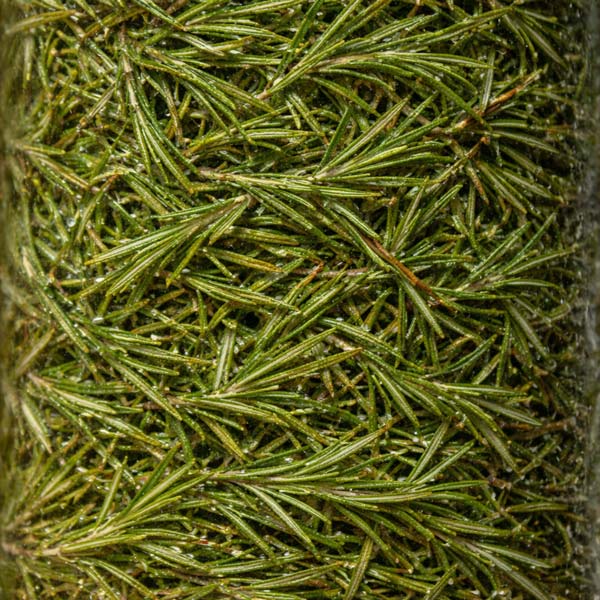
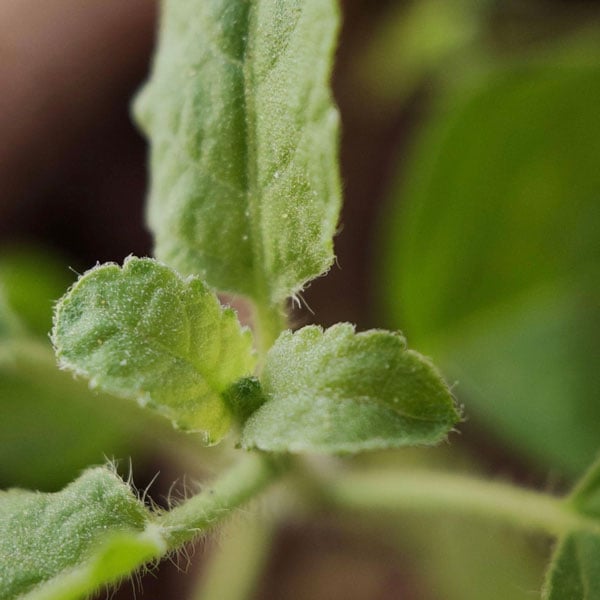
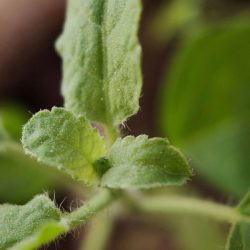
Tulsi helps the skin adapt to daily stress and maintain balance. Rosemary supports circulation, bringing fresh oxygen and nutrients to the skin and scalp.
This combination works on the foundation of aging and hair health, not just the surface.
It is especially suited for:
– fine lines and early signs of aging
– skin that looks dull or lacks vitality
– scalp concerns and hair thinning
– lack of circulation in skin and scalp
When circulation improves, skin appears more alive. Over time, it supports smoother texture and softer-looking lines.
On the scalp, it helps create a healthier environment for stronger, more resilient hair.
Hydrosols are one of the most versatile things you can keep in your routine.
Since there are no added actives, you can use it as many times as you want, especially in the summer when your skin needs constant cooling and hydration.
It helps to:
– refresh and awaken tired skin
– support circulation and natural glow
– soften the appearance of fine lines over time
– keep the scalp feeling clean and balanced
It is gentle enough for sensitive skin, babies, post-laser care, and pregnancy.
You can also mist it over makeup to bring back a natural, hydrated finish.
It’s something you reach for when your skin feels flat or your scalp needs a reset.
We produce small batches once a week, depending on the availability of freshly harvested plants. When the harvest ends, production pauses until the next cycle.
Each batch may smell slightly different depending on the season, soil, and climate.

 PLANT REMEDY Skin Salve 50ml
1 × ₹ 2500
PLANT REMEDY Skin Salve 50ml
1 × ₹ 2500